
If you are pricing 24/7 security for a restaurant, warehouse, law firm, jobsite, or high-profile property, the first thing to know is this: there is no universal flat rate. The real cost depends on risk, staffing design, training level, supervision, and whether you actually need a full-time on-site officer or a smarter layered plan.
For companies comparing higher-risk coverage, it helps to look at what a professionally structured armed security protection services program includes before you start collecting quotes.
One 24/7 post equals roughly 730 coverage hours per month, which means every $5 change in hourly rate moves your monthly budget by about $3,650. That is why a small pricing difference on paper can turn into a very large annual gap in the real world.
Quick Answer: How 24/7 Security Is Usually Priced
Most 24-hour security programs are priced by the hourly bill rate, then multiplied across the full coverage schedule. In plain English, that means your quote is usually built from the type of guard you need, the number of hours to cover, and the difficulty of the post.
For budgeting purposes in California, many buyers start here:
- Unarmed on-site guard: often about $30 to $45 per hour
- Armed on-site guard: often about $40 to $65 per hour
- Specialized or higher-risk armed coverage: often $65 to $95+ per hour
- Executive protection or personal protection details: often $75 to $150+ per hour, depending on threat profile and scope
That does not mean the cheapest rate is the best value. A thin quote can leave out supervision, weak reporting, poor training, slow relief coverage, or inconsistent communication. In security, low pricing sometimes looks good until the first incident exposes what was missing.
It also helps to understand what buyers are actually paying for. A professional 24/7 program is not just “someone standing there.” It may include:
- post orders tailored to the site
- trained officers matched to the risk level
- relief staffing and schedule continuity
- supervisor oversight
- incident reporting and daily logs
- communication with the client or site manager
- response procedures for alarms, trespass, theft, conflict, or emergencies
There is also a legal and labor reality behind every quote. California labor costs are shaped by the state’s minimum wage and overtime rules, so continuous coverage is not as simple as multiplying one flat labor number by 24 hours a day forever. Nights, weekends, relief staffing, sick coverage, and holiday scheduling all affect the real cost to operate the post reliably.
That is why buyers should think in terms of coverage design, not just hourly price. In some cases, one constant on-site officer makes sense. In others, a hybrid structure can protect the site just as effectively for less.
Typical Hourly Rates in California and 24/7 Monthly Budget Ranges
A clearer way to look at the cost is to convert hourly pricing into monthly planning ranges.
Simple monthly calculator examples
Unarmed on-site coverage
- $30/hour × 730 hours = $21,900/month
- $35/hour × 730 hours = $25,550/month
- $45/hour × 730 hours = $32,850/month
Armed on-site coverage
- $40/hour × 730 hours = $29,200/month
- $50/hour × 730 hours = $36,500/month
- $65/hour × 730 hours = $47,450/month
Specialized higher-risk armed coverage
- $75/hour × 730 hours = $54,750/month
- $95/hour × 730 hours = $69,350/month
These are planning numbers, not automatic quotes. Still, they are useful because they help decision-makers stop thinking in hourly fragments and start thinking in operational reality.
A business owner who says, “I only need one guard,” may be picturing one person, one shift, one door. But 24/7 coverage means the post must be staffed every hour of every day. That usually requires multiple officers rotating across shifts, plus backup planning for call-outs, vacations, and relief coverage. If the site has meaningful risk, the program may also need stronger supervision and faster escalation procedures.
This is where many buyers hit a turning point. They realize their real question is not “How much does a guard cost?” but rather:
- Do I need a full-time static post?
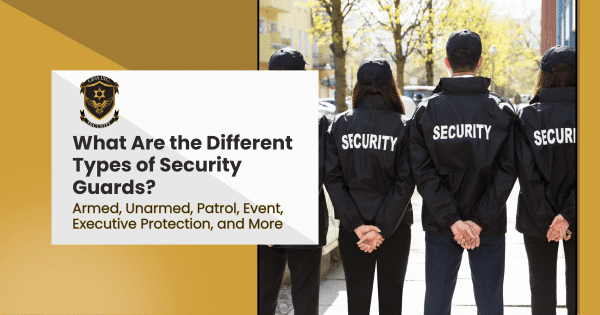
- Do I need armed or unarmed coverage?
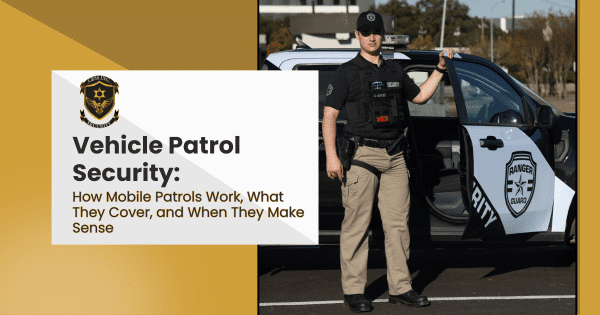
- Would vehicle patrol cover the real exposure better?
- Can cameras, alarms, and access control reduce guard hours?
- Is the risk concentrated only at night, opening, closing, or cash movement?
If you already know your location has elevated exposure, visible deterrence matters, or staff need a stronger response presence, reviewing CB Security Solutions’ armed security protection services can help frame what a more protective staffing model may look like.
The Biggest Pricing Drivers and Why Site Type Matters
Two quotes can look similar at first glance and still be built for completely different realities. The price changes when the risk changes.
Here are the biggest drivers that move a 24/7 quote up or down.
1. Armed vs. unarmed
This is the most obvious cost separator. Armed coverage typically costs more because the role carries more liability, more training expectations, and a more serious assignment profile. It is usually appropriate when there is a credible threat of confrontation, valuable assets, late-night exposure, or a need for stronger deterrence.
2. Post difficulty
A quiet overnight office lobby is not priced like a busy restaurant entrance, a warehouse with after-hours traffic, or a site with repeated trespass and theft. The more decisions the officer must make, the more the post usually costs.
3. Location and operating environment
Dense urban areas, difficult parking conditions, remote sites, high-crime patterns, and locations requiring constant exterior patrols can all influence price. So can multi-building layouts, gates, loading docks, employee entrances, and visitor processing.
4. Schedule complexity
Overnight-only coverage is one thing. True 24/7 continuity is another. Holiday staffing, weekend coverage, relief needs, split duties, and multi-post overlap all add cost.
5. Reporting and accountability expectations
If you want a real security program, not a placeholder body, ask what documentation and oversight are included. A stronger provider should be able to explain how incidents are documented, how activity is logged, how supervisors check the post, and how updates are shared with management.
6. Industry type
Different industries carry different exposure patterns.
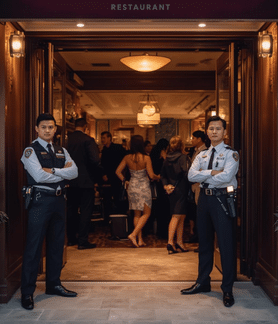
- Restaurants and hospitality may need guest-facing professionalism, discreet presence, and quick incident response without creating friction.
- Law firms may prioritize controlled access, litigation support, executive discretion, and a polished professional appearance.
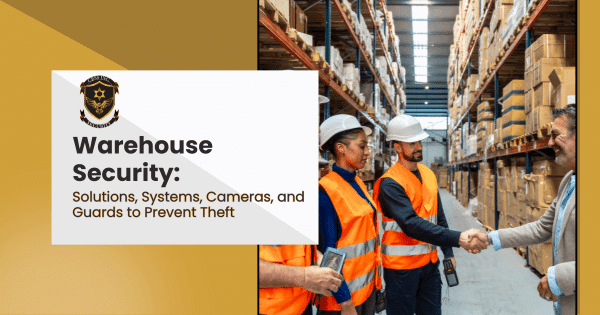
- Warehouses often need perimeter checks, dock monitoring, after-hours patrols, and theft deterrence.
- Construction sites may need overnight patrols, access control, material protection, and rapid response to trespass.
- Residential or estate environments usually require a different tone, more discretion, and a stronger service mindset.
This is why a good provider does not sell security like a commodity. They design around your site, your exposure, and your operating style.
24/7 On-Site Guard vs. Vehicle Patrol vs. Hybrid Coverage
Not every site needs a guard at the door every minute of the day. Some do. Many do not.
When a full-time on-site post makes the most sense
An on-site guard is usually the right fit when your property needs:
- constant visible deterrence
- access control and visitor management
- immediate intervention presence
- customer-facing professionalism
- documentation of incidents as they happen
- ongoing observation of a busy environment
This is common for hospitality sites, active commercial properties, sensitive offices, high-value locations, and any site where real-time presence matters.
When vehicle patrol may be the better value
Vehicle patrol often makes sense when the site is:
- large but lightly populated after hours
- mostly closed overnight
- more concerned with perimeter checks than lobby presence
- dealing with trespass, loitering, vandalism, or gate checks
- trying to control cost while still creating visible deterrence
For many warehouses, job sites, yards, and multi-building properties, patrol gives you movement, unpredictability, and wider coverage without the cost of a full-time static post.
When hybrid coverage is the smartest answer
The most cost-effective plan is often a mix.
For example:
- on-site guard during business hours
- patrol after hours
- alarm response support overnight
- cameras covering low-traffic zones
- stronger staffing only during opening, closing, deliveries, or cash-handling windows
That approach aligns with a broader physical security principle: layered protection usually works better than overloading one expensive layer. Cameras, alarms, lighting, gates, access control, and patrol patterns can reduce the number of guard hours you need without lowering the actual level of control.
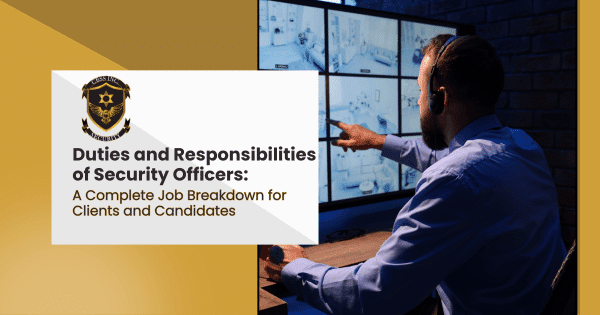
The key point is simple. Cameras observe. Guards deter, decide, document, and respond. The best plans use both well.
What a Professional 24/7 Program Should Include and How to Lower Cost Without Lowering Safety
When buyers compare proposals, they often focus too hard on the hourly number and not enough on what the program includes.
A professional 24/7 security plan should usually include:
- clearly written post orders
- defined escalation procedures
- trained, licensed personnel
- reliable scheduling and relief coverage
- incident reports
- daily activity logs
- supervisor site checks
- communication cadence with management
- response expectations for routine and urgent issues
In California, you should also expect the provider to operate under the state’s BSIS private patrol operator requirements and relevant guard training rules. That does not guarantee quality by itself, but it is a baseline sign that you are dealing with a legitimate operator rather than a casual vendor.
If your budget is tight, cost reduction should come from better design, not weaker protection. Some of the best ways to lower spend without lowering safety include:
- matching guard type to the real threat, rather than overbuying armed coverage where unarmed presence is enough
- using patrol or hybrid coverage for low-traffic overnight windows
- tightening access points so one officer can supervise the site more efficiently
- improving lighting, cameras, and alarms in weak zones
- concentrating guard hours around opening, closing, deliveries, and peak-risk periods
- using stronger post orders so officer time is spent on meaningful activity, not filler tasks
When you request a quote, ask practical questions:
- Is this quote for one static post, patrol coverage, or a hybrid plan?
- Are the officers armed or unarmed?
- What supervision is included?
- What reports will I receive?
- How are incidents escalated?
- Are nights, weekends, and holidays priced differently?
- What assumptions are built into the schedule?
- What would you change to reduce cost without creating blind spots?
Those questions help you compare apples to apples.
If you want a proposal built around your site rather than a generic rate sheet, the fastest next step is to contact CB Security Solutions. A good quote should tell you not only what the price is, but why that coverage design makes sense.
Takeaway
The right 24/7 security budget depends less on chasing the cheapest hourly number and more on matching coverage to real risk. For some sites, a full-time on-site officer is the right investment. For others, vehicle patrol, stronger technology, or a hybrid plan can deliver better value.
The smartest buyers ask one final question: what problem am I actually trying to solve? Once that answer is clear, the budget usually gets clearer too. And if you need help structuring the right fit, you can review armed security protection services or contact CB Security Solutions for a more tailored conversation.